

Local community leagues
Define the audience, game and rules before choosing an event format. Our production scope is agreed with the organiser; publisher permission and game-specific rules must be checked.
Small screens. Shared moments. Thoughtful production.
Event formats

Before registration, communicate eligibility, schedule, rules, moderation and any entry cost or rewards. Check recording and photography arrangements, particularly where minors may attend. A venue plan should also cover power, charging, access and contingency timing. Public dates and registration links should be published only after the event and its terms have been confirmed.
A first-time visitor may need an introduction that an experienced team does not. Plan the welcome, the rules briefing and the point where questions can be raised. Separate production responsibilities from game rules and prize arrangements. The venue layout, session length and participant flow shape a mobile gaming programme that is easy to follow.
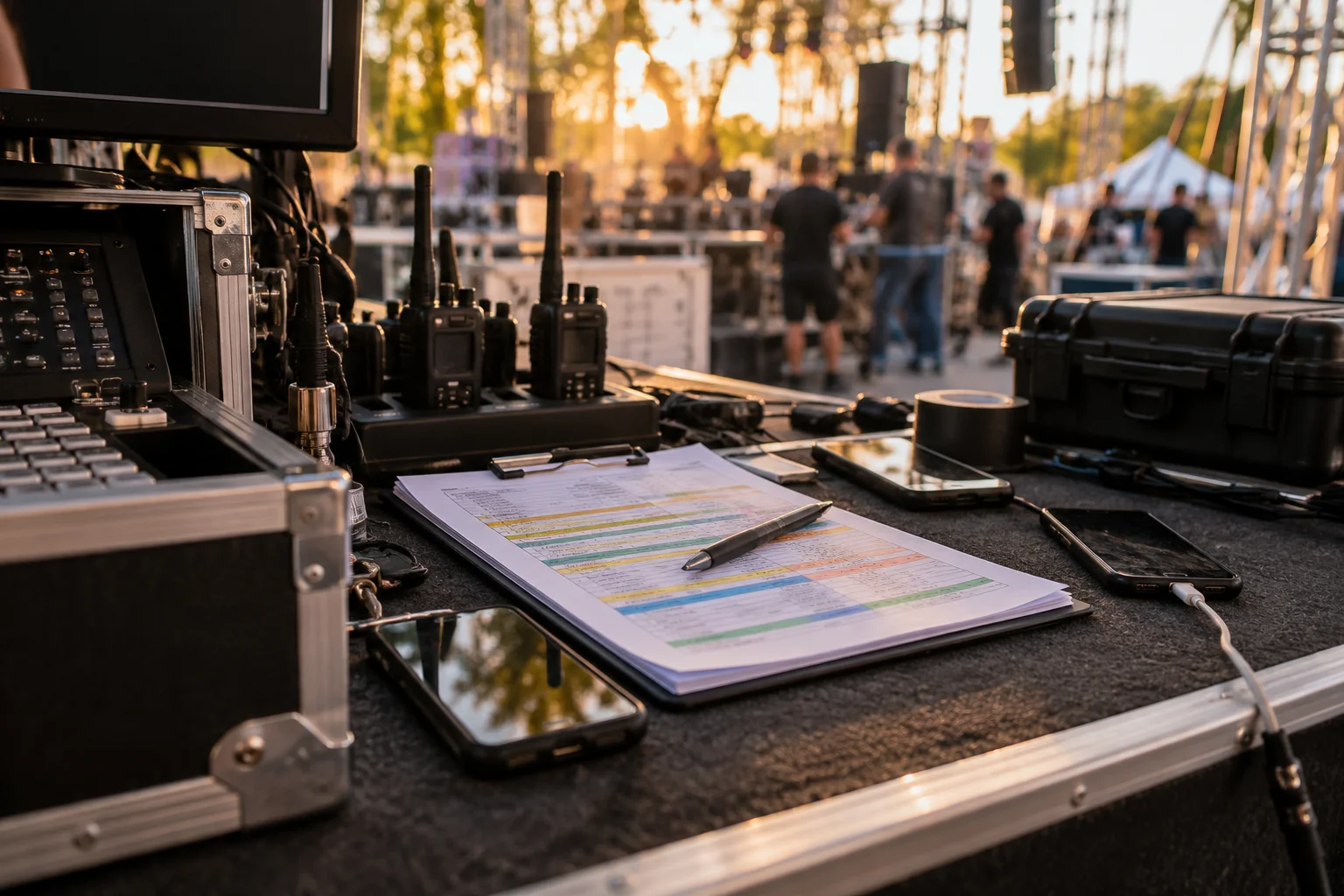
Prepare your objective, preferred timing and the information needed to assess the scope. Avoid sending unnecessary personal data, passwords or material you do not have permission to share. If the enquiry concerns a minor, a parent or guardian should handle the arrangements.
A mobile gaming event has to work as a room experience as well as a competition. Arrival, charging, connectivity and participant information influence whether the programme can run clearly. The event brief should explain who attends, what they need and how the schedule moves between activities. A practical production plan joins these details into one manageable sequence. Community challenges and campus events also need an appropriate participation tone.
Define the audience, game and rules before choosing an event format. Our production scope is agreed with the organiser; publisher permission and game-specific rules must be checked.

A campus event needs venue coordination, participant eligibility and a clear timetable. Confirm the institution contact, supervision requirements and technical access in the brief.
Short sessions can focus on participation as well as competition. Entry conditions, results, moderation and any rewards are declared before registration opens.
Match flow, staffing and connectivity need a realistic run sheet. Ticketing, prize arrangements and any commercial rights remain subject to the actual event agreement.
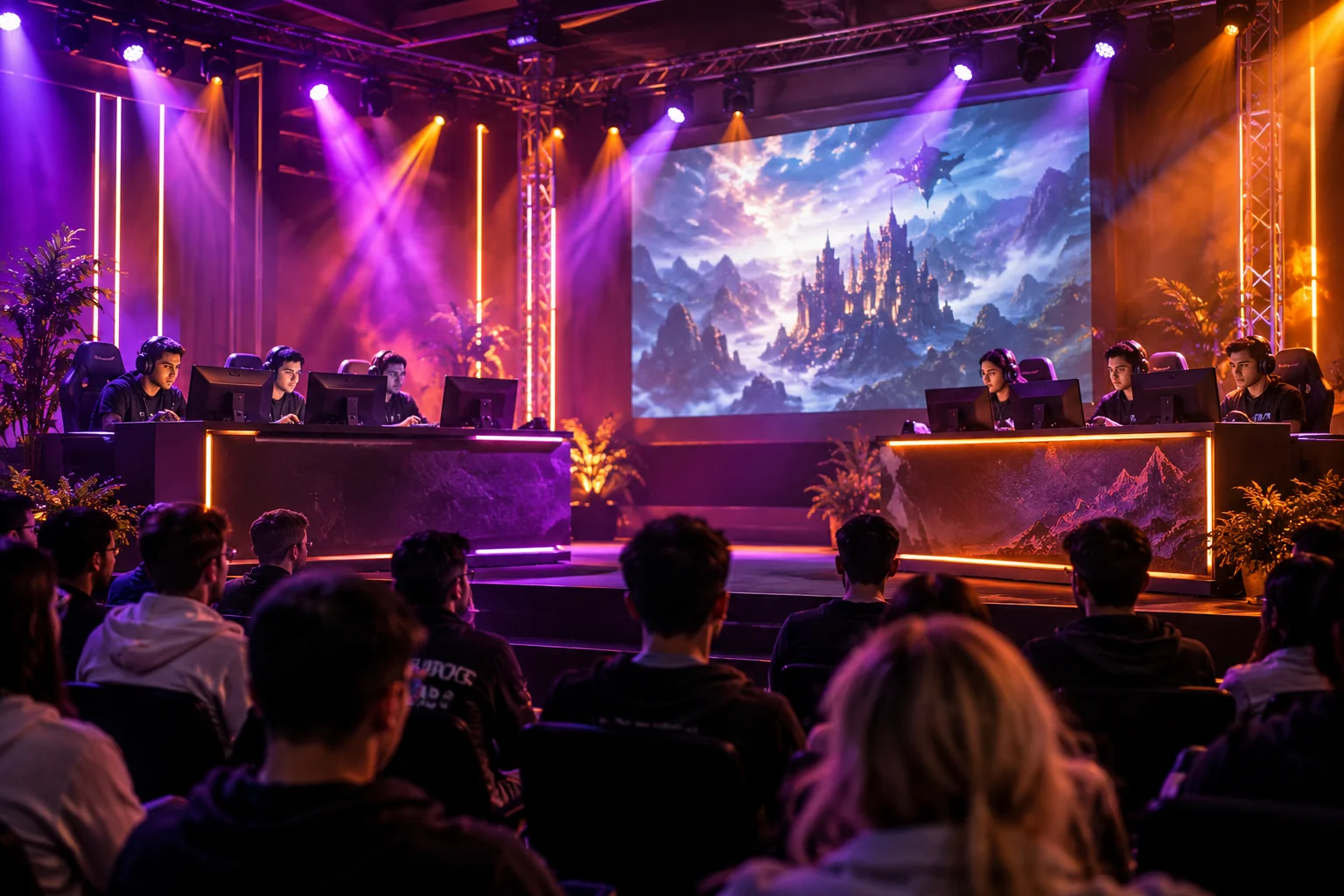
Rentakplay focuses on a defined business purpose: mobile gaming event operator. We separate the offer, preparation and agreement so that visitors can understand the next step. A clear description is more useful than an unsupported promise about results, availability or experience.
A community event needs a clear audience, realistic attendance plan and confirmed venue responsibilities. Devices, connectivity, staffing and breaks should be considered together rather than left until the first match. The operator delivers an agreed event scope; game publishers, campus partners and participants retain their own rights and responsibilities.
Describe the purpose, participants or project scope. This helps us select a suitable format rather than promise an outcome before understanding the brief.
Availability, price, timing and responsibilities are confirmed before the commitment. Browsing this website or sending an enquiry does not itself create an order or booking.
The agreed plan defines the responsibilities, schedule and how changes are handled. Cancellation and concern-handling terms belong in the confirmation.
At the end, check the agreed scope and any information needed for continued use. A follow-up conversation does not automatically create another paid commitment.
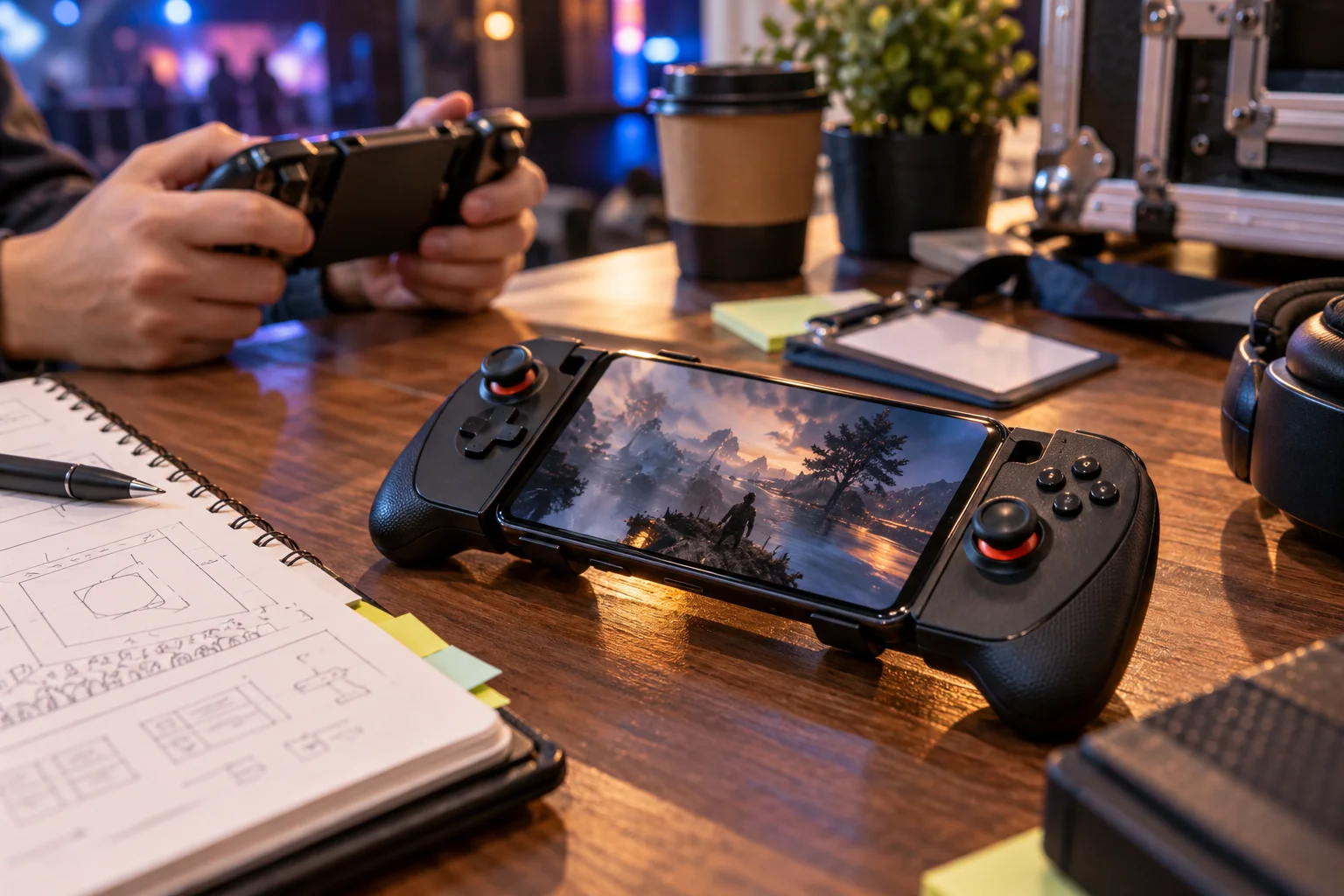
Share the location, audience and intended format. The response should clarify what the operator provides, what the host provides and the booking conditions. The website describes event services; it is not a self-service tournament platform.

Arrival, device preparation and the rhythm of sessions shape an offline mobile gaming event. A clear programme connects participant flow with the space available for play and conversation.
Campus and community formats need their own pacing. Short activities, shared breaks and a visible sequence of sessions help people follow the day.